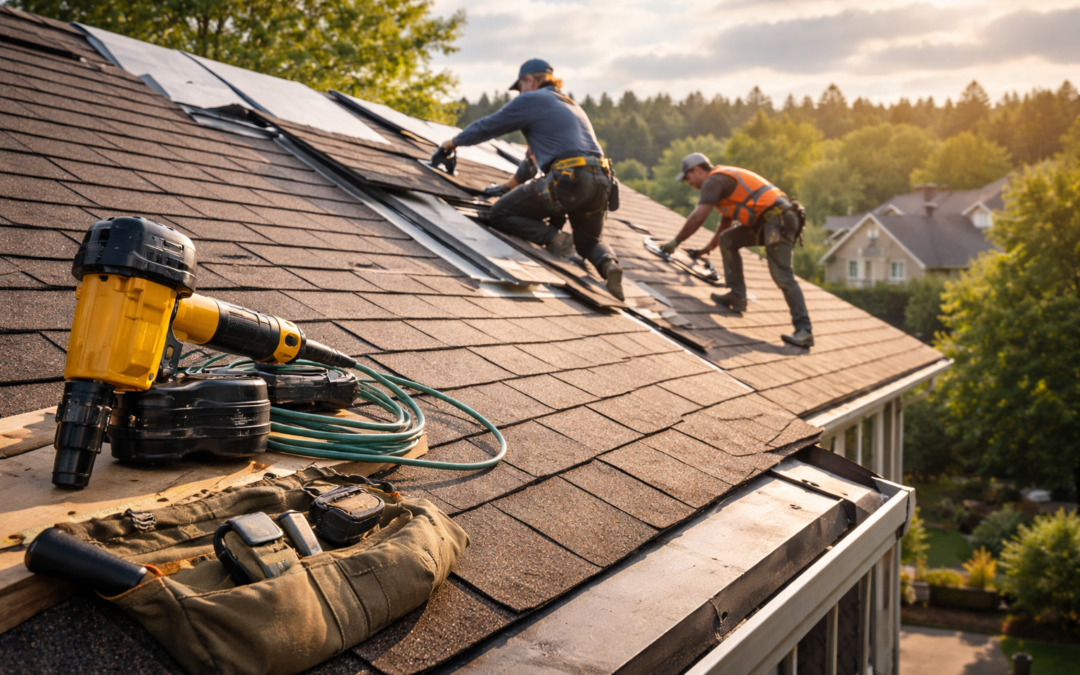
Replacing your roof is one of the biggest home investments you’ll make — but it’s also one of the most important. Your roof protects everything underneath it, from your family to your finances.
So how much does a new roof cost in 2026?
The short answer: most homeowners can expect to pay between $8,500 and $30,000, depending on roof size, materials, labor costs, and location.
The long answer is below. This guide breaks down exactly what drives roofing costs so you can budget with confidence and avoid surprises.
Average Roof Replacement Cost in 2026
National averages continue to rise due to material prices and labor shortages.
Typical price ranges by home size:
- Small home (1,000–1,500 sq ft): $8,500 – $15,000
- Medium home (1,500–2,500 sq ft): $12,000 – $22,000
- Large home (2,500–4,000+ sq ft): $18,000 – $30,000+
Complex roofs with steep slopes, multiple angles, skylights, or chimneys can increase costs significantly due to additional labor and safety requirements.
Roof Cost by Material
Your choice of roofing material has the biggest impact on price.
Asphalt Shingles (Most Common)
- Cost: $5 – $9 per square foot installed
- Lifespan: 15–30 years
Asphalt shingles remain the most affordable and popular option for homeowners.
Architectural or Dimensional Shingles
- Cost: $7 – $12 per square foot
- Lifespan: 25–40 years
These offer better durability and curb appeal than basic shingles.
Metal Roofing
- Cost: $10 – $20 per square foot
- Lifespan: 40–70 years
Metal roofs are growing in popularity due to longevity and energy efficiency.
Tile Roofing (Clay or Concrete)
- Cost: $15 – $30 per square foot
- Lifespan: 50–100 years
Common in warmer climates, tile roofs are durable but heavy and expensive to install.
Slate Roofing
- Cost: $20 – $40+ per square foot
- Lifespan: 75–150 years
Premium option with unmatched longevity but very high upfront cost.
Key Factors That Affect Your Final Price
Every roof is different. These factors will influence what you actually pay.
Roof Size and Pitch
Steeper roofs require more safety equipment and labor time, increasing costs.
Tear-Off vs. Overlay
Removing old roofing materials adds disposal and labor fees, but it’s often necessary for long-term performance.
Structural Repairs
Hidden issues like rotten decking, leaks, or ventilation problems can increase costs once work begins.
Permits and Inspections
Local building requirements may add fees depending on your area.
Labor Costs in Your Region
Prices vary widely based on local demand and contractor availability.
Signs It May Be Time for a New Roof
If you’re unsure whether you need replacement or repair, look for these warning signs:
- Shingles curling or missing
- Frequent leaks or water stains
- Roof age over 20 years
- Sagging areas
- Granules collecting in gutters
Addressing problems early can prevent costly interior damage.
Ways to Save on Roof Replacement
Smart homeowners look for ways to reduce costs without sacrificing quality.
- Compare multiple quotes
- Schedule work during slower seasons
- Consider mid-tier materials with strong warranties
- Check insurance coverage if damage was storm-related
Working with reputable contractors ensures the job is done right the first time.
How to Choose the Right Roofing Contractor
Your contractor matters just as much as your materials.
Look for professionals who are:
- Licensed and insured
- Highly rated by customers
- Transparent about pricing
- Willing to provide written estimates
- Experienced with your chosen material
Avoid unusually low bids, which can signal shortcuts or hidden fees.
Get Quotes From Trusted Local Roofing Professionals
Replacing your roof doesn’t have to be stressful. The easiest way to get accurate pricing is to compare quotes from trusted local contractors who understand your area’s climate and building requirements.
👉 Get matched with vetted roofing professionals in your area:

You’ll be able to explore options, compare estimates, and choose the best solution for your home with confidence.