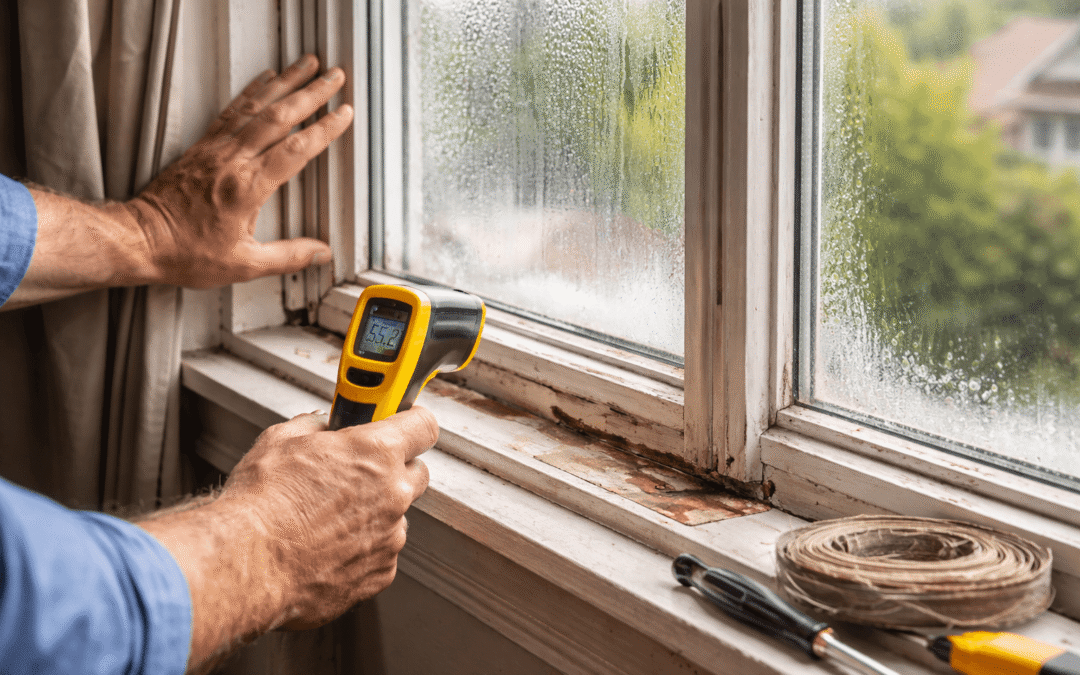
Your windows do more than provide a view. They protect your home from the elements, regulate indoor temperature, reduce noise, and impact your energy bills.
But unlike a broken appliance, window problems often develop slowly. Many homeowners live with inefficient windows for years without realizing how much comfort and money they’re losing.
So how do you know when it’s time to replace your home windows?
Here are the most common warning signs homeowners overlook.
Drafts or Air Leaks Around Windows
If you feel cold air in the winter or warm air in the summer near your windows, that’s a major red flag.
Drafty windows force your HVAC system to work harder, which increases energy usage and monthly bills. Even small air leaks can add up over time.
Signs of drafts include:
- Curtains moving when windows are closed
- Uneven temperatures in rooms
- Whistling sounds during windy conditions
Modern energy-efficient windows provide a tight seal that keeps your home comfortable year-round.
Rising Energy Bills
Have your heating or cooling costs climbed without a clear reason?
Old or poorly insulated windows are one of the biggest causes of energy loss in homes. Heat escapes during winter and enters during summer, making your system run constantly.
Energy-efficient replacement windows can significantly reduce utility costs while improving comfort.
Difficulty Opening, Closing, or Locking
Windows should operate smoothly and lock securely.
If you’re struggling to open or close them, it may be due to:
- Warped frames
- Balance system failure
- Rust or corrosion
- Foundation shifting
Windows that don’t close properly also create security risks and allow moisture to enter your home.
Condensation Between Glass Panes
Fog or moisture trapped between panes is a clear sign the window seal has failed.
Double-pane and triple-pane windows rely on airtight seals to maintain insulation. When the seal breaks, insulating gas escapes and moisture enters.
This reduces energy efficiency and often cannot be repaired, making replacement the best solution.
Outside Noise Is Getting Louder
Quality windows help block outdoor noise from traffic, neighbors, and construction.
If your home suddenly feels noisier, your windows may no longer be providing adequate sound insulation. Modern multi-pane windows significantly reduce noise and improve indoor comfort.
Visible Damage or Decay
Physical damage is an obvious sign replacement may be needed.
Look for:
- Cracked glass
- Rotting wood frames
- Water damage
- Warped or swollen materials
- Mold growth
Ignoring these issues can lead to structural damage and costly repairs later.
Your Windows Are Over 20 Years Old
Even if they appear fine, older windows are far less efficient than today’s options.
Advancements in window technology mean newer models offer:
- Better insulation
- UV protection
- Improved security
- Lower maintenance materials
If your windows are two decades old or more, replacement can dramatically improve comfort and home value.
Benefits of Replacing Your Windows
Investing in new windows provides both immediate and long-term benefits:
- Lower energy bills
- Increased home value
- Improved curb appeal
- Better indoor comfort
- Reduced outside noise
- Enhanced security
For many homeowners, it’s one of the most impactful upgrades they can make.
Repair vs. Replace: How to Decide
Minor issues like small hardware problems may be repairable.
However, replacement is usually the smarter choice if you have:
- Multiple failing windows
- Structural damage
- Ongoing drafts
- High energy costs
- Failed seals
A professional inspection can help determine the best path forward.
Get Quotes From Trusted Local Window Professionals
Replacing your windows doesn’t have to be overwhelming. The easiest way to make a confident decision is to compare options from trusted local experts who understand your climate and home style.
👉 Explore window replacement options in your area:

You’ll be able to compare professionals, review solutions, and choose the best fit for your home with confidence.